
Introduction – Why Buyers Choose to Import Shrimp from Vietnam
Over the past decade, Vietnam has become one of the most reliable seafood exporting countries in the world. For shrimp in particular, Vietnam is not only a major producer but also a leader in processing, quality control, and export compliance.
For global buyers, choosing to Import Shrimp from Vietnam offers several advantages:
- Stable and year-round supply
- Wide product range (raw, cooked, value-added)
- Competitive pricing with strong quality control
- Compliance with international food safety standards
However, importing shrimp is not as simple as placing an order. It involves documentation, logistics, regulations, and supplier selection.
This guide provides a clear and practical overview to help seafood buyers navigate the process.
Understanding the Import Process – A Strategic Overview
Importing shrimp from Vietnam can be divided into four main stages:
- Supplier selection and negotiation
- Documentation preparation
- Production and shipment
- Customs clearance and delivery
👉 Internal link: Seafood Export from Vietnam – Complete Guide for Global Seafood Buyers
Each stage requires attention to detail to avoid delays, unexpected costs, or compliance issues.
Step 1 – Selecting the Right Shrimp Supplier
Choosing the right supplier is the most critical step when you Import Shrimp from Vietnam.
Key Criteria to Evaluate
✔️ Export experience
✔️ Certifications (HACCP, BRC, ISO)
✔️ Processing capability
✔️ Product range
✔️ Traceability system
Supplier Types
- Direct factory exporters
- Trading companies
- QC service providers (like Seafood Link VN)
👉 Internal links:
- Top Vietnam Shrimp Factories in 2024–2025
- Top Vietnam Shrimp Supplier and Exporter
- Vietnam Shrimp Supplier 2026
- Vietnam Vannamei Shrimp Supplier
Buyer Insight
Working directly with factories can offer better pricing, but requires strong quality control.
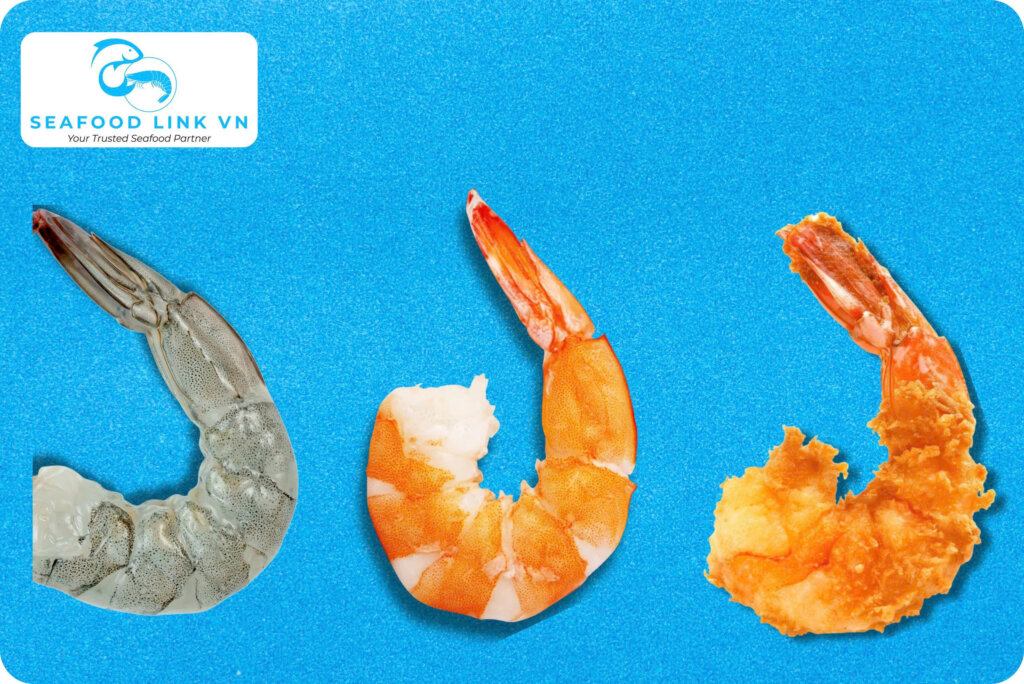
Import Shrimp from Vietnam premium seafood products
Step 2 – Understanding Product Specifications
Before placing an order, buyers must clearly define product requirements.
Common Shrimp Types
- HOSO (Head-On Shell-On)
- HLSO (Headless Shell-On)
- PD (Peeled Deveined)
- PDTO (Peeled Deveined Tail-On)
👉 Internal link: Vannamei Shrimp Products Guide for Seafood Importers
Size Standards
Shrimp is categorized by count per kilogram:
- 20 pcs/kg → large size
- 30 pcs/kg → premium
- 60 pcs/kg → mid-range
- 100 pcs/kg → processing
Additional Specifications
- Glazing percentage
- Packing format (block, IQF)
- Labeling requirements
- Private label (OEM)
Step 3 – Required Documents for Import
Documentation is a critical part of importing shrimp.
Core Commercial Documents
- Sales Contract
- Commercial Invoice
- Packing List
- Bill of Lading
Essential Food Safety Documents
✔️ Health Certificate (HC)
✔️ Certificate of Origin (C/O)
✔️ Certificate of Quality (if required)
Why These Documents Matter
- HC ensures food safety compliance
- C/O helps reduce import duties
- B/L is required for cargo release
👉 External reference:
https://seafood.vasep.com.vn/key-seafood-sectors/shrimp
Step 4 – Understanding Incoterms
When you Import Shrimp from Vietnam, Incoterms define responsibilities between buyer and seller.
FOB (Free On Board)
- Seller delivers goods to port
- Buyer handles shipping
✔️ More control
✔️ Lower cost
CIF (Cost, Insurance, Freight)
- Seller handles shipping
✔️ More convenience
✔️ Less logistics management
Buyer Recommendation
- Experienced importers → FOB
- New buyers → CIF
Step 5 – Cold Chain & Logistics
Shrimp is a temperature-sensitive product.
Key Requirements
- Storage: -18°C to -25°C
- Reefer container transport
- Continuous temperature monitoring
Risks in Logistics
- Temperature fluctuation
- Port delays
- Power failure in container
👉 Internal link: Vannamei Shrimp Processing in Vietnam – From Farm to Factory & Export Supply
Step 6 – Customs Clearance Process
After shipment arrives, buyers must complete customs procedures.
Main Steps
- Submit import declaration
- Provide required documents
- Pay import duties and VAT
- Pass inspection (if required)
- Release cargo
Important Notes
- Correct HS code is essential
- Regulations vary by country
- Inspection may delay clearance
Common Risks When Importing Shrimp
Even experienced buyers face challenges when they Import Shrimp from Vietnam.
1. Quality Mismatch
- Size inconsistency
- Glazing discrepancy
2. Documentation Errors
- Missing HC
- Incorrect invoice
3. Logistics Issues
- Delayed shipment
- Temperature damage
4. Supplier Reliability
- Overpromising
- Inconsistent supply
How to Minimize Risks
✔️ Work with Verified Suppliers
👉 Internal links:
- Vietnam Shrimp Supplier 2026
- Top Vietnam Shrimp Supplier and Exporter
✔️ Conduct Pre-Shipment Inspection
- Quality check
- Quantity verification
- Packaging inspection
✔️ Use QC Service
Independent QC ensures product meets requirements before shipment.
✔️ Start with Trial Order
- Test supplier capability
- Evaluate consistency
Cost Structure – What Buyers Should Expect
Import cost is not only product price.
Key Cost Components
- Product cost
- Freight
- Insurance
- Import duties
- Customs clearance
👉 Internal link: Vannamei Shrimp Price Vietnam 2026 – Supplier Price Guide & Cost Factors
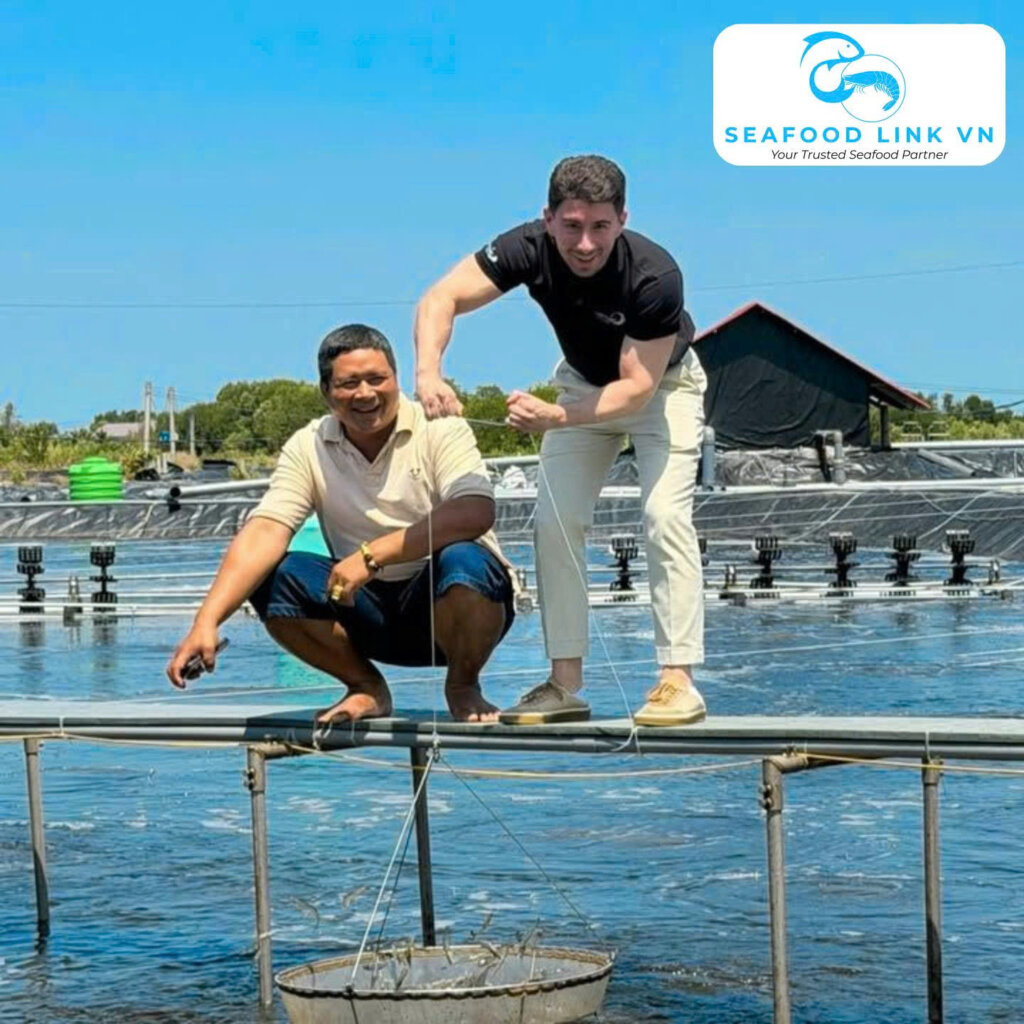
Import Shrimp from Vietnam sustainable shrimp farming
Market Trend – Increasing Demand for Processed Shrimp
Global buyers are shifting toward processed products.
👉 Internal link: Value Added Vannamei Shrimp Vietnam
Reasons include:
- Convenience
- Higher margin
- Consistent quality
Building Long-Term Supply Partnership
Successful importing is not a one-time transaction.
Key Success Factors
- Reliable supplier
- Clear communication
- Stable pricing
- Quality consistency
👉 Internal link: Our Vannamei Shrimp Products Page
Partner with a Reliable Vietnam Shrimp Supplier
At Seafood Link VN, we support global buyers in every step of the process.
Our services include:
- Supplier sourcing
- Quality inspection
- Documentation support
- Export coordination
If you are planning to Import Shrimp from Vietnam, we are ready to help you build a reliable and efficient supply chain.
Contact Us
Seafood Link VN
📧 [email protected]
🌐 https://seafoodlinkvn.com
📱 WhatsApp +84 933 113 379
We look forward to building long-term partnerships with seafood buyers worldwide seeking reliable Vannamei shrimp products from Vietnam.
